Furnishing a Home in Dubai During Your First 90 Days
Dubai added a net 9,800 relocating millionaires across the UAE during 2025, carrying roughly USD 63 billion of investable wealth, according to the Henley Private Wealth Migration Report 2025. Most of those arrivals furnish a home within their first three months, and most of them spend more than they planned because the sequence of decisions runs backwards.
What should a new Dubai resident decide before buying any furniture?
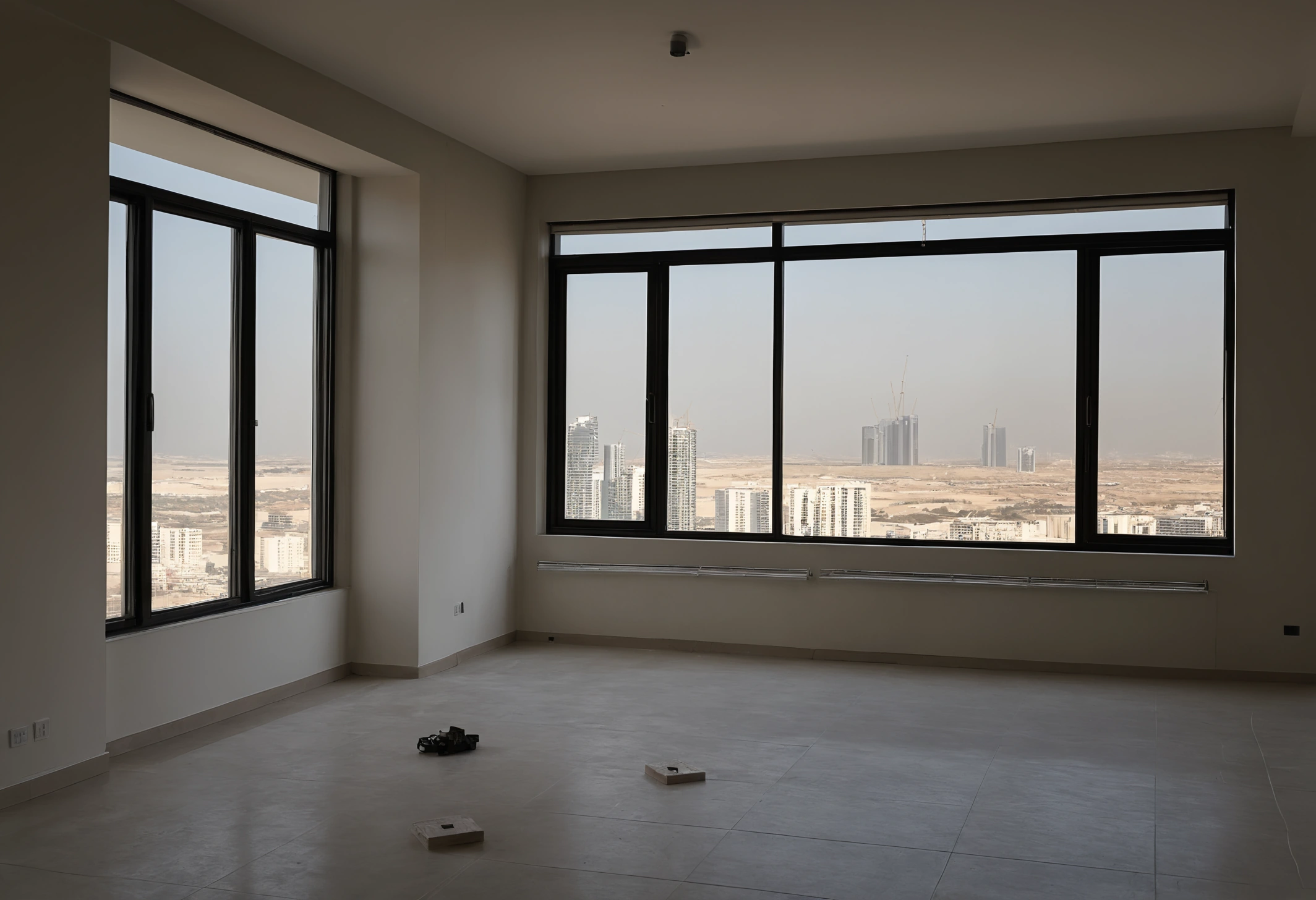
A new Dubai resident should confirm four fixed constraints before ordering a single piece: lease duration, ceiling height, service-lift dimensions, and delivery access rules for the building. Each constraint removes options permanently, and each one costs money to discover after a purchase order is signed rather than before.
Lease duration decides the entire budget logic. A 12-month Ejari-registered lease on an apartment in Dubai Marina supports removable, resaleable pieces. A five-year horizon in a Dubai Hills Estate villa supports built-in joinery, stone, and imported upholstery with a 14-week production slot. Buyers who apply villa logic to a one-year lease routinely leave AED 150,000 of fitted work behind when the lease ends.
Ceiling height decides proportion. Dubai apartment towers built after 2015 commonly deliver 2.9 m to 3.2 m slab-to-slab, which leaves roughly 2.7 m to 3.0 m of finished ceiling. A wardrobe designed for a 2.4 m European ceiling leaves a 500 mm dead band above the doors, visible from every point in the room.
Why do so many new arrivals in Dubai buy their furniture twice?
New arrivals in Dubai buy furniture twice because the first purchase is made under time pressure, in a rented apartment, before the household knows which district it will settle in. The second purchase, usually 14 to 26 months later, is made against a signed property and a known floor plan, and the first set is resold at a heavy discount.
The financial gap is measurable. A full first-round apartment fit of mass-market pieces runs a typical AED 45,000 to AED 90,000 for a two-bedroom unit. Resale on the local secondary market returns roughly 20 to 30 percent of that outlay after 18 months of use. The written-off amount, AED 32,000 to AED 70,000, is close to the cost of specifying correctly once.
How long does imported furniture take to reach Dubai, and what drives the delay?
Imported Italian upholstery reaches Dubai in 12 to 20 weeks from order confirmation, and the production slot rather than the shipping leg drives most of that period. Sea freight from Genoa or La Spezia to Jebel Ali runs 18 to 26 days. Factory production, fabric sourcing and quality release consume the remaining 10 to 16 weeks.
| Stage | Typical duration | What controls the duration |
|---|---|---|
| Order confirmation and fabric reservation | 1 to 2 weeks | Fabric availability at the mill |
| Factory production slot | 8 to 14 weeks | Order book at the manufacturer |
| Sea freight Genoa to Jebel Ali | 18 to 26 days | Sailing schedule and transhipment |
| UAE customs clearance | 2 to 5 working days | Documentation accuracy |
| Delivery slot and assembly | 3 to 10 days | Building access rules |
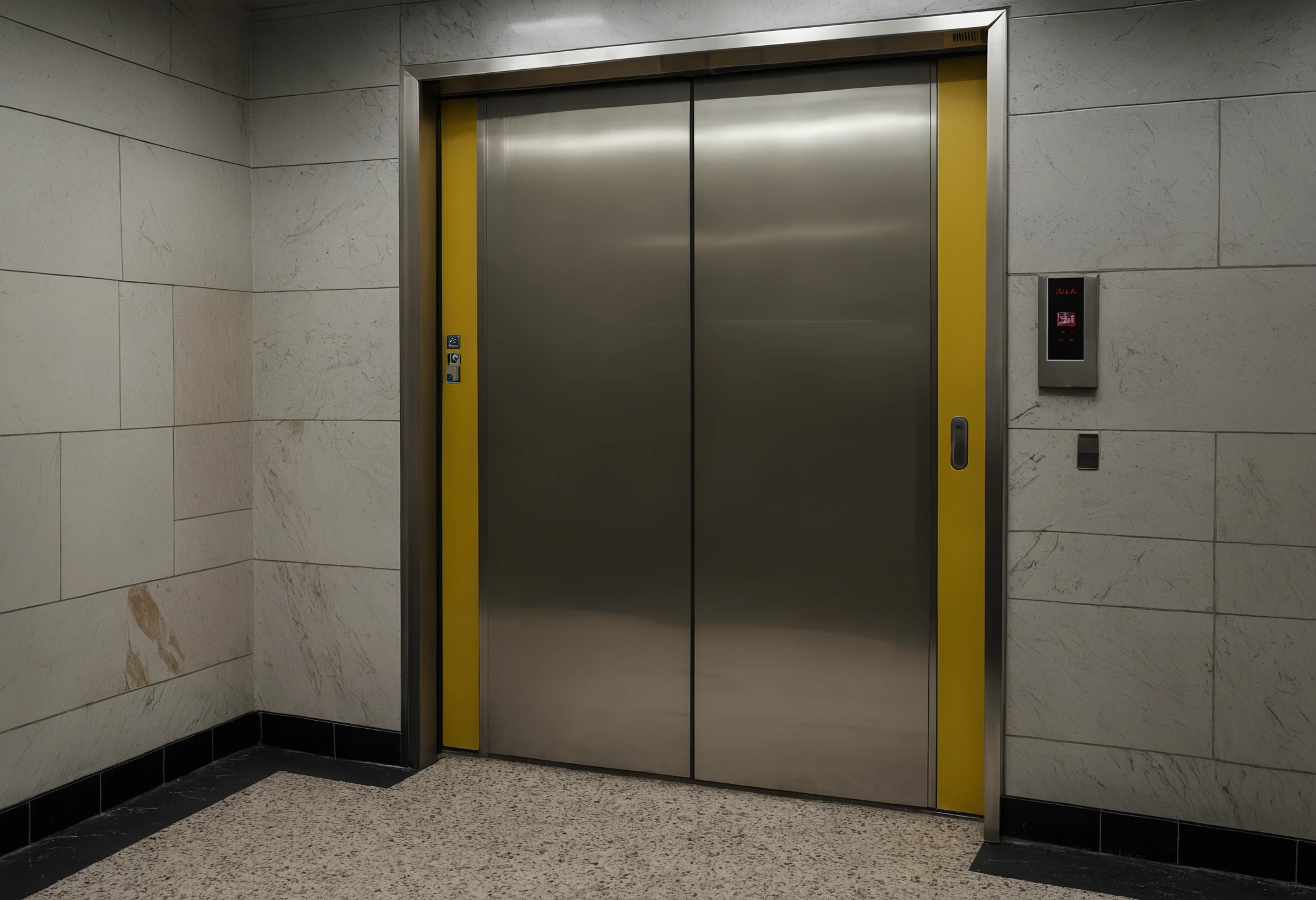
Building access rules cause more failed deliveries in Dubai towers than customs does. Many residential towers in Downtown Dubai and Dubai Marina restrict goods movement to a service lift with an internal car depth near 2.4 m and a door opening near 1.1 m. A three-seat sofa with a fixed 2.6 m frame will not enter that lift, and a crane lift through a balcony costs AED 4,000 to AED 12,000 per movement.
Which furnishing route matches which resident in Dubai?
Three furnishing routes operate in Dubai, and each one serves a different combination of lease length, budget and available time. Selecting the wrong route produces either wasted capital on a short lease or an under-specified villa on a long one.
| Route | Suits | Typical spend, two bedrooms | Time from decision to complete |
|---|---|---|---|
| Mass-market retail, stock items | Leases under 18 months | AED 45,000 to AED 90,000 | 2 to 6 weeks |
| Showroom stock from imported brands | Leases of 2 to 3 years | AED 180,000 to AED 400,000 | 4 to 10 weeks |
| Specified project with production orders | Owned property, 5 years and beyond | AED 450,000 upward | 16 to 30 weeks |
Residents who own the property and intend to stay usually move to the third route, where a studio prepares drawings, specifies pieces and coordinates installation as one scope. Studios offering luxury interior design in Dubai carry the specification, procurement and installation under a single contract, which removes the coordination gap that produces most delivery failures on the first two routes.
What does a Dubai showroom visit actually achieve that a catalogue cannot?
A showroom visit resolves three variables that photographs misrepresent: seat depth against the buyer’s own body, fabric behaviour under Gulf daylight, and finish colour against the apartment’s actual floor tone. Each variable causes returns, and returns on production orders are not accepted by most Italian manufacturers.
Seat depth is the most common error. Contemporary Italian sofas frequently run 105 mm to 140 mm deeper than mainstream retail equivalents, with seat depths of 620 mm to 720 mm. A 700 mm seat depth suits a reclined posture and a 1.85 m frame, and leaves a shorter user without back support.
Fabric behaviour under Gulf daylight is the second. Dubai receives strong direct sun through unshaded glazing for much of the year, and pale linens in south and west orientations show visible fading within 24 to 36 months without solar-control glass or fabric window treatment. Showrooms holding stock of Italian furniture keep physical fabric libraries, which allows a buyer to test a sample against the real window orientation before committing to a production slot.

Which Dubai districts change the furnishing brief, and how?
District selection changes the furnishing brief through three physical variables: apartment versus villa typology, ceiling height, and outdoor area. A Downtown Dubai apartment and a Dubai Hills Estate villa of equal budget produce entirely different specifications, because the villa carries 40 to 90 square metres of covered outdoor space that the apartment does not.
- Dubai Marina and Jumeirah Beach Residence: apartments of 90 to 200 sq m, high glazing ratios, strong west light, heavy demand for solar-control window treatment.
- Downtown Dubai: apartments with 2.9 m to 3.2 m slab heights and restrictive service-lift access, which favours modular upholstery delivered in sections.
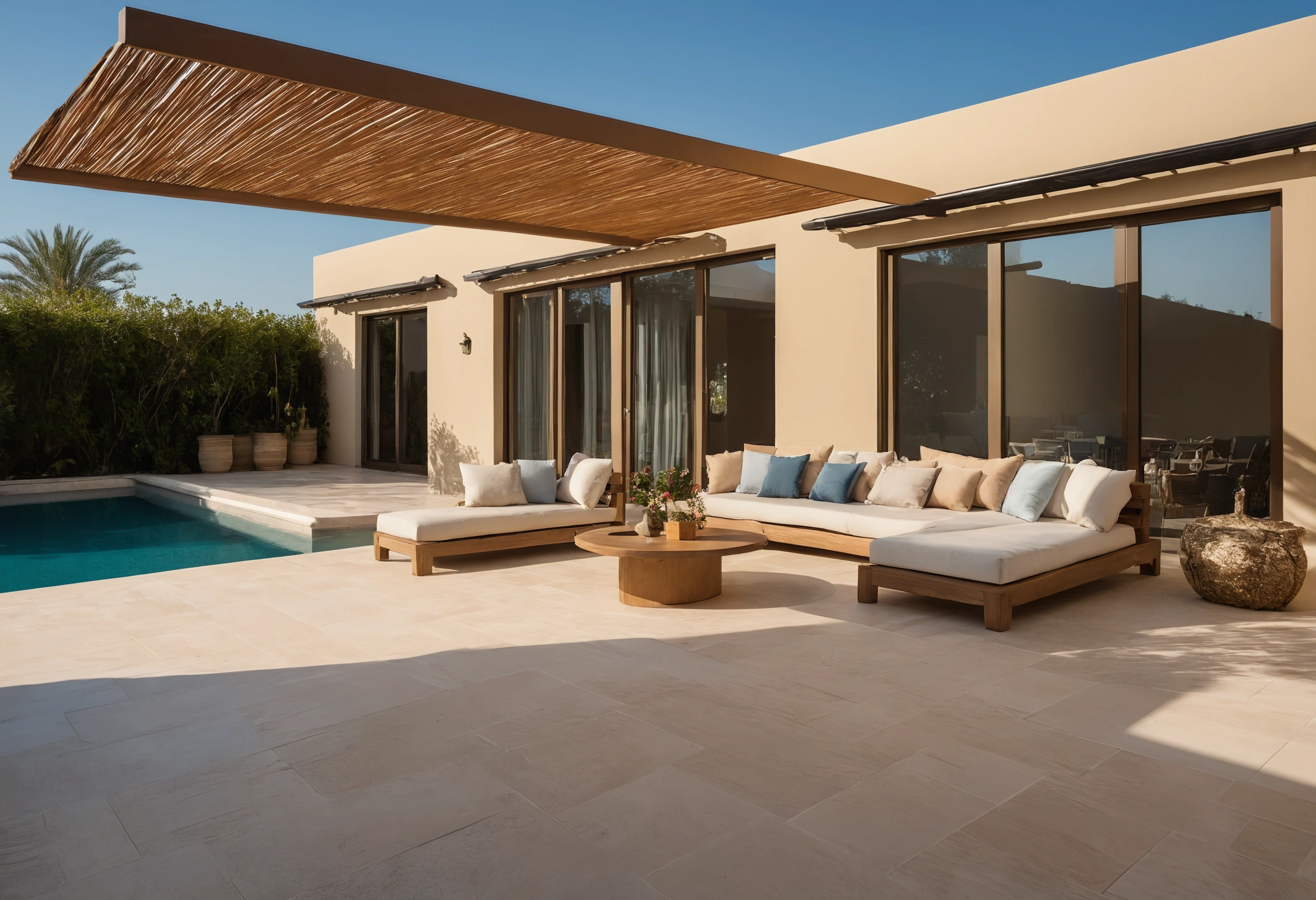
- Dubai Hills Estate: villas of 280 to 700 sq m with private gardens, which adds outdoor seating, shade structures and weatherproof upholstery to the brief.
- Palm Jumeirah: villas and apartments on a reclaimed island where delivery access runs through a single tunnel and monorail corridor, which lengthens delivery windows. The island’s structure is documented at Palm Jumeirah.
How much does the Dubai market itself influence furnishing decisions?
The scale of the Dubai property market sets the resale expectations that shape furnishing budgets. The Dubai Land Department recorded 226,000 transactions worth AED 761 billion during 2024, a 36 percent rise in volume and a 20 percent rise in value against 2023, alongside 110,000 new investors entering the market.
High transaction volume produces high turnover of furnished units, and high turnover rewards neutral, well-built specification over personal taste. Buyers who fit a Dubai apartment with heavy personalisation recover less on exit than buyers who specify durable neutral pieces, because the resale pool is broad and moves quickly.
- Ejari
- The Dubai tenancy registration system that records a lease and enables utility connection. Furniture budgets should follow the registered lease term.
- Production slot
- The manufacturing window reserved at a factory once an order is confirmed. A missed slot moves an order to the back of the order book, adding 6 to 10 weeks.
- Slab-to-slab height
- The structural floor-to-floor dimension, typically 2.9 m to 3.2 m in Dubai towers built after 2015, from which finished ceiling height is derived.
What separates a controlled first 90 days from an expensive one?
A controlled first 90 days in Dubai depends on ordering the long-lead items early and deferring everything reversible. Production furniture ordered in week 10 arrives in month six, which matches the point at which most new residents have confirmed their district. Stock furniture bought in week 2 covers the gap without committing capital to the wrong apartment.
The residents who spend least across two years are the ones who accept a deliberately temporary first setup and place their real orders once, against a measured plan. Dubai’s furniture market rewards patience precisely because production lead times are long, and long lead times punish decisions made in the first fortnight after landing.