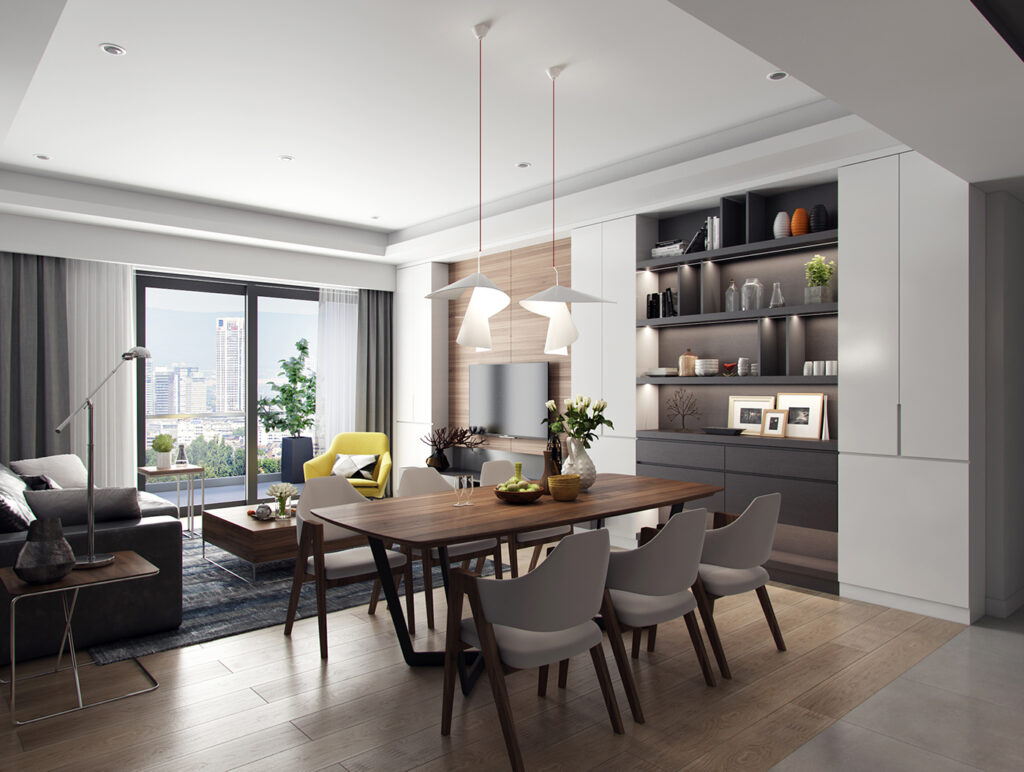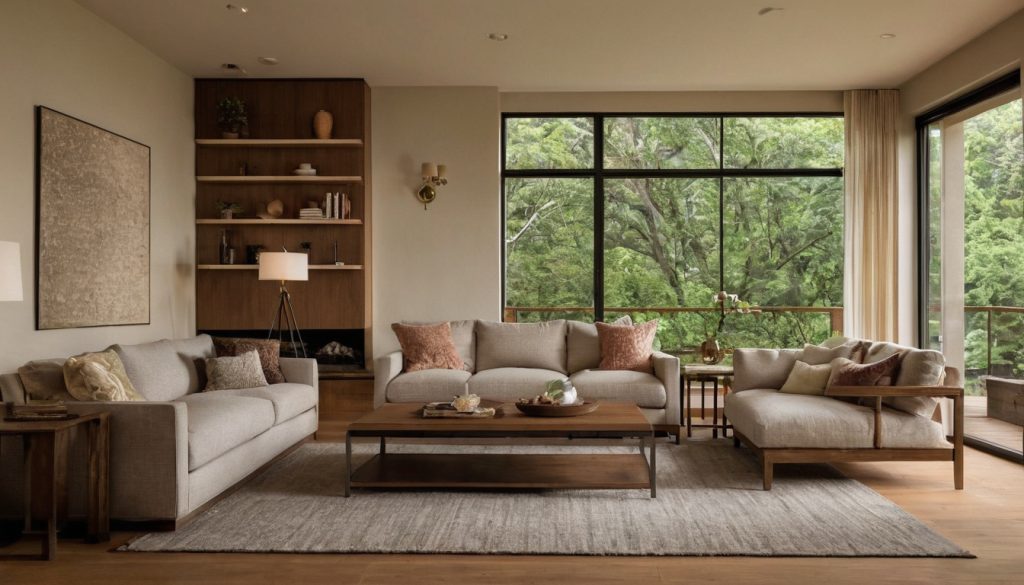
Should the living room look polished first, or survive the people, paws, snacks, and guests who use it every day? The strongest living room decor ideas start with durability, storage, cleanup speed, and traffic flow, then use color and accessories to make the room feel finished.
A shared family living room should start with a durable-use brief before choosing colors
A family living room works best when the decor plan starts with who uses the sofa, what lands on the rug, where pets rest, and how quickly the room must reset before guests arrive.
Which living room messes should the decor plan expect every week?
Start with the real users: toddlers with snack cups, school-age children with crafts, teens with gaming gear, adults with coffee, shedding pets, overnight guests, or frequent visitors. A formal sitting room can tolerate more fragile choices than a shared media room where the dog sleeps against the same cushion every night.
- List the weekly messes: crumbs, pet hair, muddy paws, drink spills, craft supplies, toys, blankets, remotes, shoes, and guest clutter.
- Set the house rules: decide whether shoes, food, and pets are allowed on upholstered furniture before buying fabric, pillows, or rugs.
- Name the cleaning tolerance: choose daily tidy, weekly deeper clean, or occasional maintenance.
- Plan for spills: for carpet and rug spots, the Carpet and Rug Institute recommends cleaning spots and spills quickly.
What should stay visible in a family living room and what should disappear fast?
A durable-use brief separates useful visible items from clutter that needs a landing place. Remotes, coasters, a current book, one throw, and a pet bed can stay visible if they look intentional. Toys, leashes, snack trays, gaming controllers, laundry, and baby supplies need closed storage or a fast-drop basket.
The best living room furniture ideas for kids and pets prioritize cleanable upholstery and forgiving layouts
The best living room furniture ideas for a shared sofa household start with cleanable fabric, removable-care details, rounded edges, and clear walking routes so daily use does not turn into daily repair.
Which upholstery specifications matter most for a sofa used by children, pets, and guests?
“Family-friendly” can mean almost anything on a sales tag. Read the fabric label before the color name, then treat the sofa like a high-use surface.
- Cleaning code W: water-based upholstery cleaner is usually allowed.
- Cleaning code S: solvent-based cleaner is required.
- Cleaning code W/S: water-based or solvent-based cleaning may be allowed if instructions are clear.
- Cleaning code X: vacuum-only care is a poor fit for a snack-heavy sofa.
- Abrasion rating: Wyzenbeek and Martindale tests measure fabric wear. For busy seating, choose beyond light-duty use.
Performance polyester, microfiber, and solution-dyed acrylic usually make the easiest daily choices because tight weaves release crumbs, resist many stains, and do not look precious after a pet nap. Leather can wipe clean, but claws, sunlight, and dry air can mark it. Cotton and linen blends feel relaxed, yet they stain, wrinkle, and absorb odor more readily unless they come as washable slipcovers.
Removable covers need a care check. A zipper only means the cover comes off; the label decides whether it can go in a washer, needs cold water, must air-dry, or should be professionally cleaned. For treated fabrics, compare stain resistance finishes and cleaning schedules, and ask for PFAS-free or lower-chemical options when that matters. The U.S. Environmental Protection Agency states that VOCs are emitted by many products, including furnishings and cleaning supplies.
How much clearance does a shared living room layout need around the sofa?
Living room clearance should prevent bumps, blocked drawers, and awkward guest traffic. Keep about 14 to 18 inches between the sofa and coffee table. Main walkways work better at about 30 to 36 inches, especially where the living room becomes the path to the kitchen, stairs, or back door.
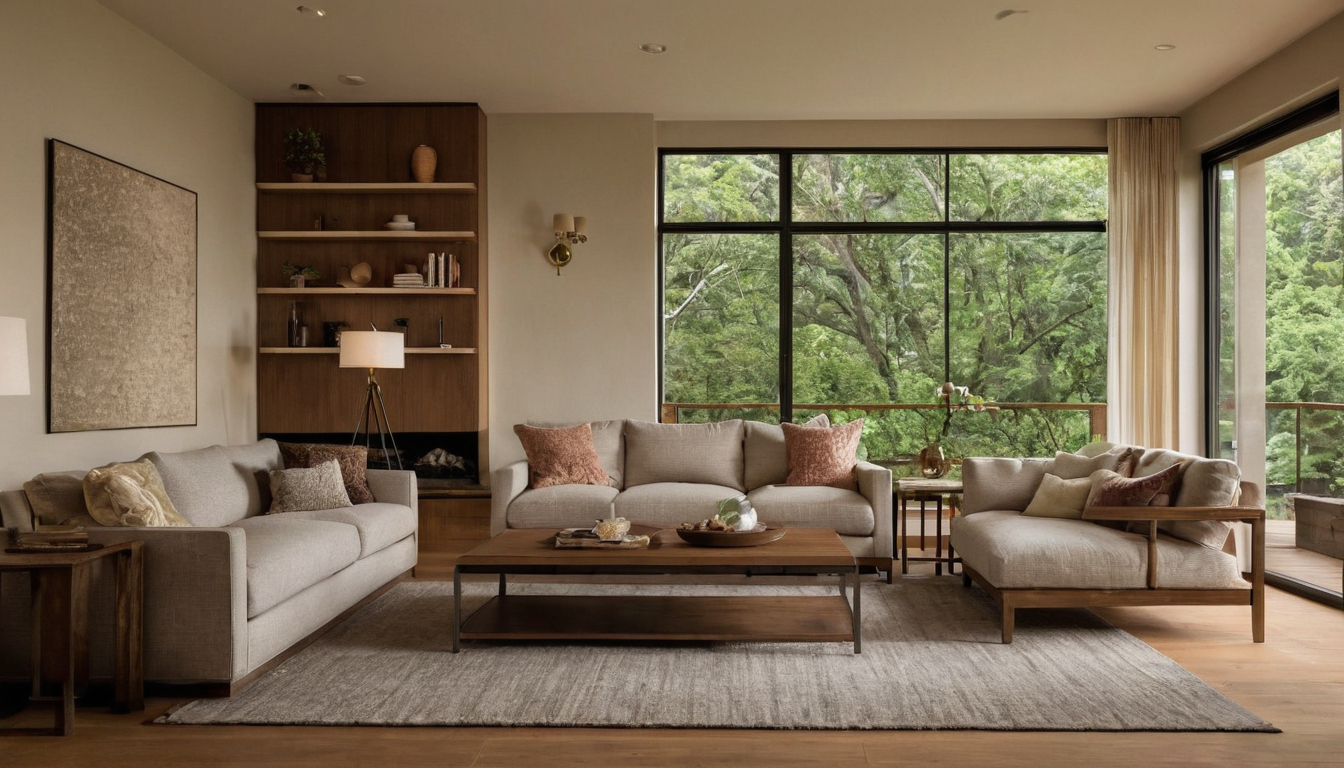
The best living room furniture ideas for kids and pets prioritize cleanable upholstery and forgiving layouts shown as an editorial reference for proportion and finish coordination.
Media units, recliners, storage ottomans, and side tables need operating space, not just floor space. Leave room for cabinet doors, toy drawers, reclining footrests, and door swings. In smaller rooms, choose a narrow oval coffee table, nesting tables, wall-mounted lighting, and raised legs that let a vacuum reach under the frame. The same logic used for maximising space in smaller living areas can keep the sofa zone comfortable.
When is a sectional better than separate chairs in a family living room?
A sectional works best when the household often lounges together, one wall can hold the longest run, and the room needs fewer loose pieces for kids or pets to knock out of place. A sofa with accent chairs works better when guests talk face-to-face, traffic crosses the room, or adults want flexible seating after toys move out.
- Choose a sectional for movie nights, pet pileups, and maximum seats from one footprint.
- Choose a sofa plus chairs for conversation, easier rearranging, and better access around doors or fireplaces.
- Choose modular seating when the room changes for sleepovers, holidays, or open-play floor space.
Family living room rugs should be chosen for vacuuming, stain response, and trip control
A shared living room rug needs to survive food, paws, toys, and repeated vacuuming more than it needs to be delicate or expensive. Low-pile, secure, cleanable rugs usually outperform thick shag, high-shed wool, or pale flatweaves under the main sofa.
Which rug fibers are easiest to live with in a kid-and-pet living room?
The easiest living room rug fibers are usually synthetic, low-pile, and color-forgiving. A rug under the main seating area should release crumbs, tolerate spot cleaning, dry within a reasonable time after spills, and avoid trapping tiny toys, kibble, and pet hair deep in the pile.
- Polypropylene: practical for snacks, paws, and high traffic because it resists many common stains.
- Polyester: soft, often budget friendly, and good at holding color, though oily stains and traffic lanes can show sooner.
- Nylon: durable and resilient for busy paths, especially near the sofa and media cabinet.
- Wool: comfortable and long lasting, but many wool rugs shed at first and need careful stain response.
- Jute and sisal: textural, but rougher under crawling knees and harder to rescue from pet accidents.
Low pile, roughly under half an inch, is the safer daily-use target because vacuum heads move across it cleanly and small blocks, earrings, and snack bits are easier to find. If the rug area includes floor plants, check the ASPCA plant database before placing greenery where pets lounge.
What rug size makes a family living room look finished without becoming a tripping hazard?
The best rug size anchors the seating group without creating a loose island in the walkway. In most shared living rooms, place at least the front legs of the sofa and main chairs on the rug so the furniture helps hold the rug in place and the room reads as one seating zone.
Rug edges should avoid door swings, fireplace hearths, media cabinet drawers, and narrow traffic paths where guests carry drinks or children run through. On hard floors, choose a non-slip pad compatible with the floor finish. On carpet, use a carpet-to-rug pad that reduces rippling.
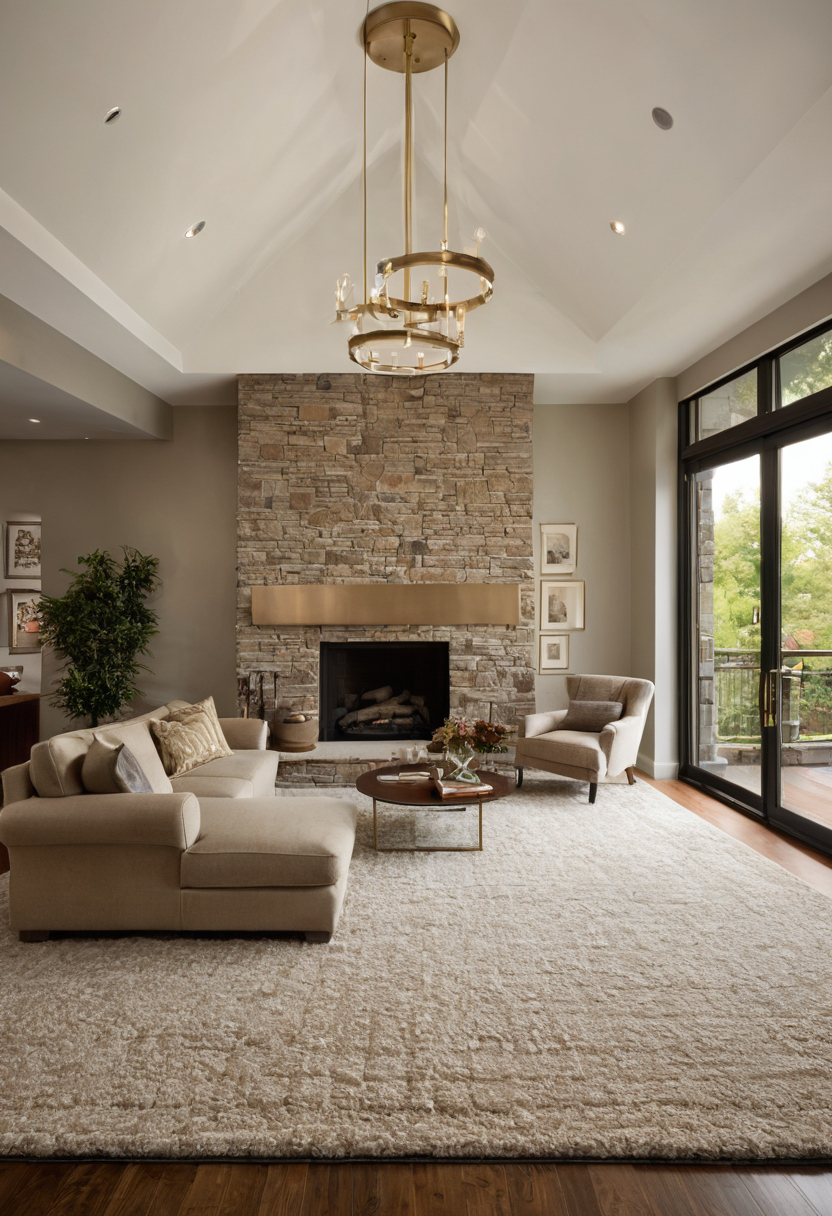
Family living room rugs should be chosen for vacuuming, stain response, and trip control shown with finish, fixture, and clearance relationships visible.
Storage is what makes living room decor look intentional after toys, blankets, remotes, and pet supplies appear
Storage turns family living room decor from staged to sustainable because it gives every daily-use item a fast destination. The best storage mixes closed cabinets, lidded baskets, tray zones, and one easy drop spot that can be reset in minutes.
What should a living room storage plan hold by category?
A useful living room storage plan starts with the real inventory, not the furniture catalog. Count the soft goods, toys, games, media pieces, pet supplies, guest items, chargers, magazines, seasonal throws, and small cleaning tools that already migrate to the sofa by evening.
- Near the sofa: one tray or drawer for remotes, glasses, coasters, lip balm, and current chargers.
- Near the media unit: closed storage for controllers, headphones, cables, board games, and extra batteries.
- Near the entry path: a lidded basket or bench cubby for shoes, dog leashes, hats, and traveling toys.
- Out of child or pet reach: treats, candles, breakable decor, heavy accessories, medicines, and cleaning sprays.
- Guest-ready zone: two clean throws, coasters, a small wastebasket, and space for a guest bag or purse.
Which living room storage pieces look decorative but still work hard?
Storage ottomans work best when the room needs a coffee table, blanket bin, and kid-safe footrest in one piece. Choose soft-close hinges or lightweight lids, and avoid heavy lift tops in rooms where young children play.
Media consoles and sideboards make living room furniture ideas feel calmer because doors hide visual noise. Closed cabinets handle board games, puzzles, pet grooming supplies, router equipment, and extra throws. Anchor tall or narrow furniture when tipping is a concern, route cords behind the unit, and keep lamps or ceramics away from edges that tails and elbows can reach.
Lidded baskets, canvas bins, and plastic-lined baskets are flexible for rentals because they do not require built-ins. Seagrass and rattan look warm but can tempt chewing pets, metal holds up well to traffic, and solid wood tolerates longer wear if the budget allows.
Living room accessories ideas should be washable, weighted, and arranged in easy-to-reset groups
Living room accessories ideas for a shared sofa should add softness and personality without becoming fragile clutter. The safest formula is washable textiles, heavier lamps, trays for loose objects, non-breakable accents, and repeatable groupings.
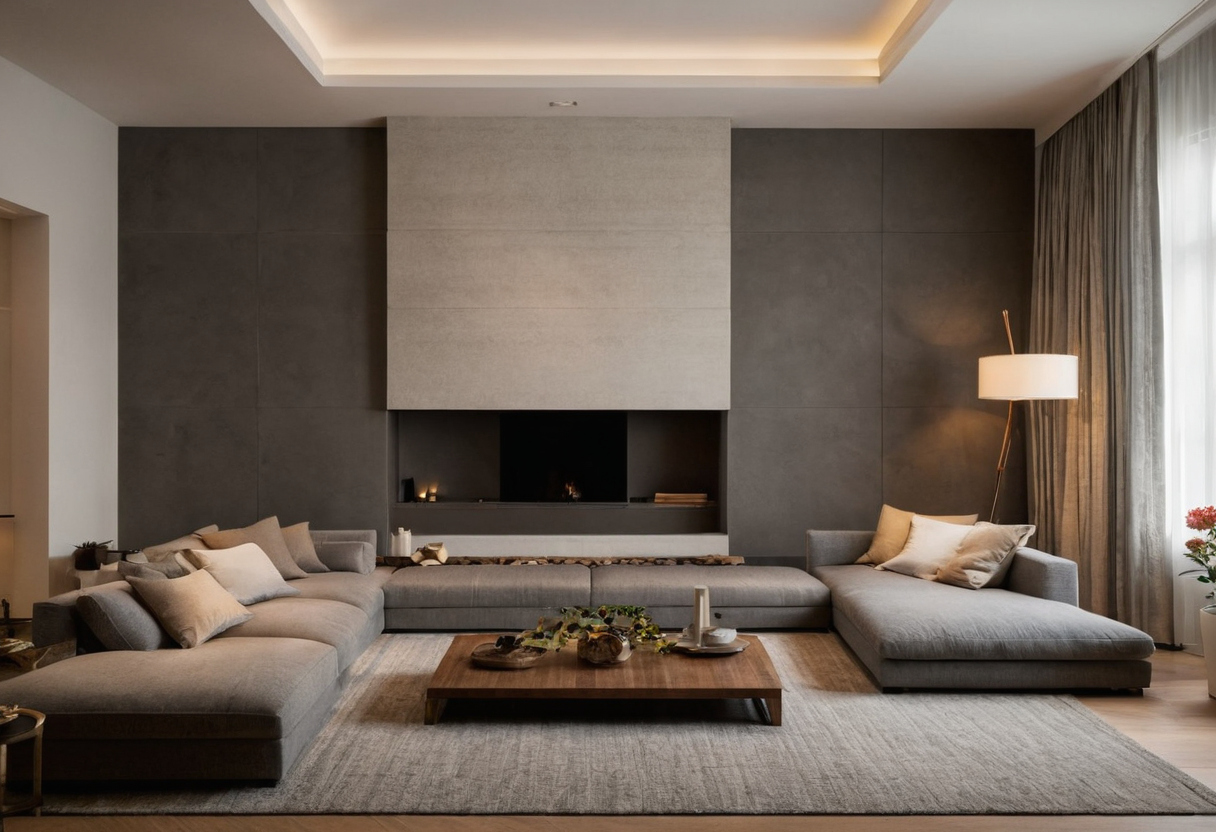
Living room accessories ideas should be washable, weighted, and arranged in easy-to-reset groups shown as a planning reference for layout, scale, and material decisions.
How can the 3-5-7 decorating rule work in a family living room without creating clutter?
The 3-5-7 rule is a decorating convention that uses odd-numbered groupings because uneven arrangements often look more relaxed than pairs. In a family living room, the rule should guide editing, not encourage more objects.
- Three-item coffee table group: a wipeable tray, a lidded remote box, and one sturdy decorative object.
- Five-item mantel group: framed art, two weighted candlesticks with flameless candles, one plant, and one low bowl.
- Seven-item shelf group: books, baskets, framed photos, and one or two washable accents spread across the shelf.
Fewer accessories work better in rooms with toddlers, chewing pets, narrow side tables, allergy-sensitive households, or busy after-school routines. Glass decor, loose cords, real candles, sharp metal objects, and lightweight lamps should move out of reach or be replaced with wood, resin, metal trays, washable baskets, and stable lamps with broad bases.
How should pillows and throws be chosen for a sofa used by guests, kids, and pets?
Pillows and throws should earn their place by washing well and resetting fast. Choose removable pillow covers with zipper closures, tight weaves, darker patterns, and inserts that hold shape after leaning, napping, and floor use.
Throw blankets need the same discipline. Fleece dries quickly and handles pet use, cotton breathes well, acrylic resists everyday wear, wool blends look tailored but may need gentler care, and washable quilts hide crumbs while adding structure. In snack-heavy or pet-heavy homes, keep one guest-facing throw folded on the sofa and one everyday throw in a basket.
Color and pattern should hide daily wear while keeping the living room calm enough for guests
Color and pattern in a family living room should disguise lint, crumbs, paw marks, and fading while still feeling calm when guests arrive. Mid-tone upholstery, layered neutrals, small-scale patterns, and one controlled accent color are more forgiving than all-white, all-dark, or high-contrast schemes.
What is the 60-30-10 rule for a living room that has kids and pets?
The 60-30-10 rule divides a room into a dominant color, a secondary color, and an accent color. Use the 60 percent color for the largest surfaces, such as walls, a big sectional, curtains, or a large neutral rug. Use the 30 percent color for supporting pieces, such as wood tables, leather chairs, a patterned rug, or built-ins. Use the 10 percent color for pillows, art, lamps, baskets, and seasonal accessories.
A modern farmhouse living room might use warm white walls, a greige sofa, black metal accents, and muted green pillows. A rustic living room might lean on oatmeal upholstery, medium wood, tobacco leather, and rust or indigo accents. A renter can apply the same idea with curtains, slipcovers, art, and rugs instead of paint.
Lighting changes every color choice. North-facing rooms often make cool grays look flat, low-light rooms need warmer neutrals, bright sun can fade intense fabrics, and media-room glare makes glossy dark surfaces harder to live with. ENERGY STAR says qualified LED lighting uses at least 75 percent less energy and lasts up to 25 times longer than incandescent lighting. For more color planning, see this guide to designing with light and color.
Which colors hide pet hair and crumbs best on living room furniture?
Mid-tone, heathered, and patterned fabrics hide the most ordinary living room wear. Oatmeal, taupe, camel, warm gray, mushroom, and mixed-weave brown usually conceal crumbs, dust, and light soil better than stark white or solid black.
Pet color should guide upholstery color. White and tan fur shows quickly on charcoal, navy, and black. Dark fur stands out on ivory, cream, and pale linen. Mixed-tone fabrics, tweeds, small checks, subtle stripes, and low-contrast patterns break up pet hair, snack crumbs, and minor marks without making the room feel busy.
If repainting, sealing, or using strong cleaning products indoors, the EPA recommends increasing ventilation when using products that emit VOCs.
A weekly reset routine keeps sitting room decor guest-ready without constant deep cleaning
A sitting room decor plan works long term only if the cleanup routine matches the materials and the household schedule. A five-minute daily reset, a weekly textile check, and seasonal upholstery or rug maintenance keep the shared sofa area presentable without turning the living room into a chore zone.
What is the fastest daily living room reset for a shared sofa household?
The fastest reset follows the same route every night, so the room does not need a full decision-making session after dinner, homework, or guests.
- Collect cups, snack plates, and napkins first.
- Return toys, books, game controllers, and pet items to one basket, drawer, or cabinet.
- Fold throws, fluff pillows, and place one blanket where people actually reach for it.
- Clear the coffee table, stack coasters on a tray, and return remotes to the same box or drawer.
- Brush crumbs from the sofa, use a lint roller on pet-hair zones, and straighten the rug edge.
A small living room needs supplies hidden inside the room: a washable cloth, lint roller, handheld vacuum, pet brush, and small clutter bin. A large family room may need two reset zones, one near the sofa and one near the media unit.
How often should a family living room sofa, rug, and throws be cleaned?
High-use upholstery should be vacuumed weekly, more often with shedding pets, toddlers, allergies, or food on the sofa. Washable throws usually need weekly or every-other-week laundering, while pillow covers, slipcovers, pet beds, and curtains should follow their care labels.
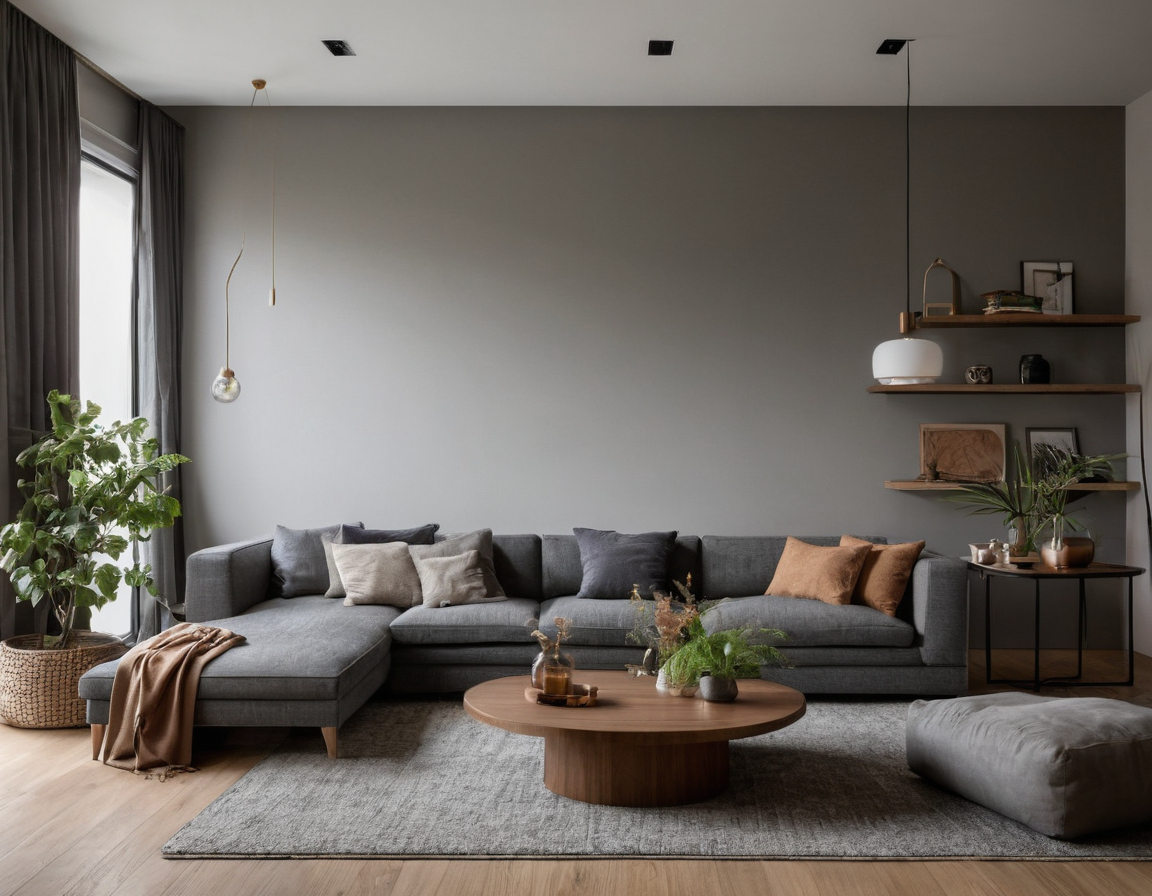
A weekly reset routine keeps sitting room decor guest-ready without constant deep cleaning shown as a planning reference for layout, scale, and material decisions.
Living room rugs need consistent attention. The Carpet and Rug Institute calls regular vacuuming the most important carpet-care step and also recommends periodic professional deep cleaning for carpet. Low-pile rugs usually release crumbs and pet hair faster than high-pile rugs, but both need quick spill response: blot, lift solids, use the approved cleaner for the fiber, then dry fully.
FAQ
What is the 3-5-7 rule in decorating, and does it work in a family living room?
The 3-5-7 rule uses odd-numbered groupings to make shelves, mantels, and tables feel balanced without looking stiff. It works if the objects are sturdy, washable, and few enough to reset quickly.
What is the 2/3 rule for living rooms when choosing a sofa, rug, or coffee table?
The 2/3 rule is a visual guideline. A sofa often looks balanced when it is about two-thirds the width of the wall or area it sits on, and a coffee table often looks right when it is about two-thirds the sofa length. Adjust for walkways, door swings, and storage access.
What is the 60-30-10 rule for living rooms with kids, pets, and guests?
The 60-30-10 rule divides the room into a dominant color, a supporting color, and an accent color. Use durable neutrals for large pieces and save stronger color for pillows, art, lamps, and accessories that can be washed or replaced easily.
What living room fabric is best for a sofa used by children and pets?
Performance polyester, microfiber, and solution-dyed acrylic are often the easiest choices because tight weaves handle crumbs, pet hair, and many everyday spills better than delicate linen or absorbent cotton blends. Check the cleaning code and care label before choosing the color.