The panel that wipes clean most easily may also conceal moisture behind it or prove hardest to match after damage. Choosing panels for walls in a mudroom, hallway, bathroom, or family space therefore means looking beyond the visible pattern to the core, edges, installation method, cleaning limits, and future repair path.
Panels for Walls in Busy Rooms: A Cleanability, Moisture, and Repair Comparison shown as an editorial planning reference.
Which wall panel materials suit high-contact family spaces?
Wood, MDF, PVC, and composite panels behave differently under daily bumps, cleaning, and humidity changes. A repairable painted panel may hide a moisture-sensitive core, while a stain-resistant surface can become conspicuous after a deep scratch or failed patch.
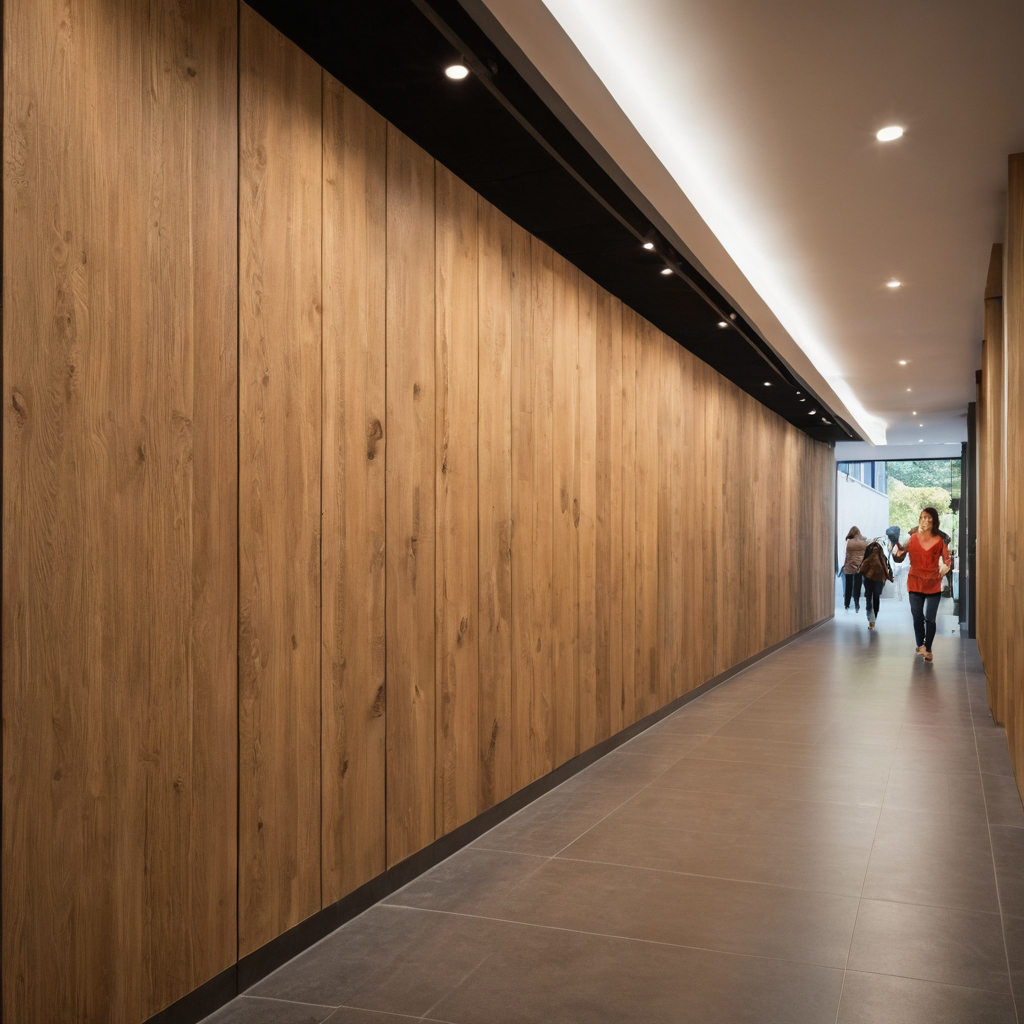
Solid-wood panels use natural boards as both the visible face and structural core. Wood handles ordinary hallway knocks well, and shallow dents or scratches can often be sanded, filled, stained, or repainted. Changes in humidity may open joints, however, and unfinished cut ends can absorb moisture. Wood generally suits hallways, family rooms, and ventilated mudrooms where its repair potential justifies periodic finish care.
Which wall panel materials suit high-contact family spaces shown with practical context cues.
MDF panels consist of compressed wood fibers shaped into sheets, slats, beadboard, or molded profiles. A factory coating or sound paint finish creates a smooth face, but the core and cut edges remain vulnerable. Water entering a seam or nail hole can leave a swollen, fuzzy edge that paint cannot flatten. MDF works best in dry, high-contact rooms where scuffs matter more than splashes.
PVC panels use plastic through the core rather than a wood-fiber base. Sealed PVC faces generally wipe clean easily and do not swell like MDF after incidental splashing. PVC can suit mudrooms, laundry areas, and appropriate bathroom locations, but thin profiles may dent or crack under a sharp impact. Repairs can look conspicuous because filler or touch-up paint may not reproduce the original sheen or molded pattern.
Composite panels combine materials that may include wood fibers, plastics, mineral content, resins, or a separate decorative skin. The word “composite” does not establish durability by itself. A tough factory surface may resist stains while an exposed cut edge remains vulnerable. Buyers should identify the core, face layer, edge-treatment requirements, and approved room conditions rather than judging only the walls decor pattern.
Installation affects every material. Adhesive can tear drywall paper during removal, nails can leave rows of holes, and tight fitting around doors may split existing trim. Full-height sheets can also make outlets, hooks, benches, and storage rails harder to relocate. Unlike the movable pieces discussed in family-room durability choices, panels become part of the room’s future repair path.
Surface chemistry matters during installation and refinishing. The U.S. Environmental Protection Agency identifies paints, varnishes, waxes, cleaning products, building materials, and furnishings as indoor sources of volatile organic compounds. For products that emit VOCs during use, the EPA recommends increased ventilation. Homeowners should evaluate the panel, adhesive, primer, paint, and caulk as one finish system rather than considering the decorative face alone.
Visible wear is only half the decision. A clean-looking panel can conceal damp drywall, a leaking pipe, or condensation. The EPA mold and moisture guide advises fixing condensation and wet or damp spots promptly to prevent mold growth. Core composition, sealed edges, wall condition, and exposure frequency are therefore the next tests for a humid or splash-prone room.
How does moisture exposure affect each panel type in wet or humid rooms?
Moisture performance depends on the panel core, sealed edges, penetrations, substrate condition, ventilation, and frequency of exposure. PVC and certain composites generally tolerate repeated splashes better than wood or MDF, but no decorative panel can correct an active leak, damp substrate, open seam, or poorly sealed pipe opening.
Exposure level matters as much as the room name. Occasional humidity in a ventilated powder room differs from shower spray, repeated contact with wet coats in a mudroom, or water entering from plumbing. Commonly reported causes of building moisture problems include roof leaks, plumbing faults, condensation, poor humidity control, and inadequate drainage around foundations, according to moisture-control guidance from AsthmaCommunityNetwork.org. The moisture source should be diagnosed and corrected before the wall is covered.
Wood panels can handle ordinary indoor humidity when properly finished, but repeated wetting may cause swelling, cupping, finish failure, or darkened edges. MDF is less forgiving because water entering a cut edge, nail hole, or damaged coating can swell the fiber core like a wet cardboard corner. Paint may disguise the color, but it cannot restore a raised seam. Installation instructions should be checked for room restrictions, acclimation requirements, and required edge treatment.
PVC does not absorb water like wood fiber, making it a practical candidate for splash-prone walls. Water can still pass through joints or penetrations and remain behind the panel. Composite panels vary: a water-resistant polymer or mineral core may suit repeated dampness, while a wood-fiber composite may behave more like MDF. A water-resistant face does not automatically make the completed wall waterproof, so the required sealants, joint spacing, substrate preparation, and backing system all matter.
Unresolved moisture can threaten building materials and increase exposure to mold and other biological contaminants, although not every damp spot produces those outcomes. Exposure to biological contaminants associated with moisture problems is linked with greater occurrence or severity of allergies, asthma, and other respiratory illnesses; that association does not mean every exposure causes illness. The same guidance notes that many Americans spend up to 90 percent of their time indoors, making concealed dampness more than a cosmetic concern.
After moisture suitability is established, routine cleaning becomes the next test because repeated wiping, scrubbing, and disinfecting can alter the panel’s finish.
What cleaning methods and chemicals are safe for each panel finish?
Safe cleaning depends more on the factory coating than on the panel core. Some sealed PVC and composite surfaces tolerate common household cleaners, while painted wood and MDF generally need mild soap, limited water, and a soft cloth. That difference can reshape the maintenance schedule impact in homes with children and pets.
Factory-finished PVC often offers the simplest care for muddy handprints and routine splashes. Use a soft cloth and a cleaner approved by the panel manufacturer. Do not assume that “waterproof” also means chemical-proof. Abrasive pads, strong solvents, concentrated bleach, and undiluted disinfectants can dull a pattern, cloud a glossy face, or weaken sealant at the joints.
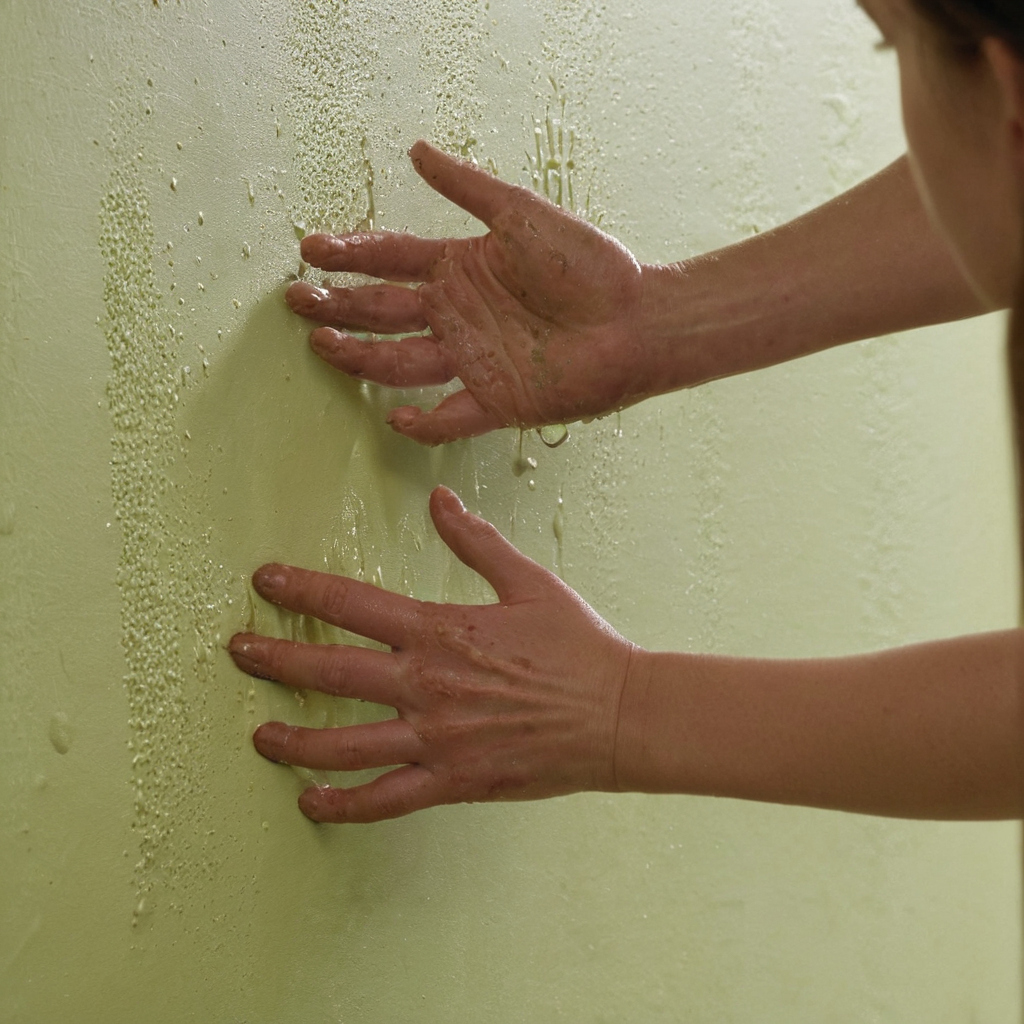
What cleaning methods and chemicals are safe for each panel finish shown with practical context cues.
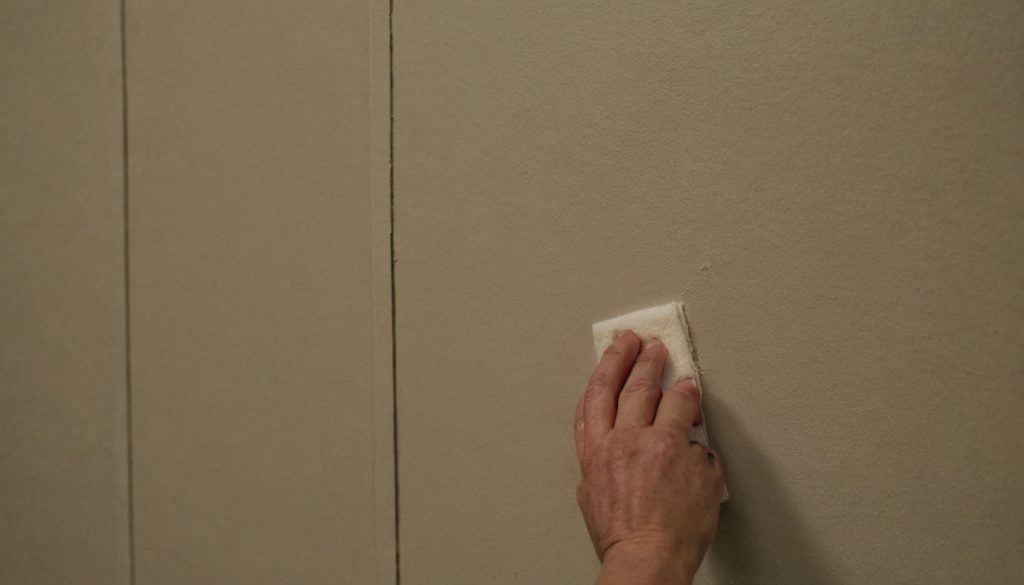
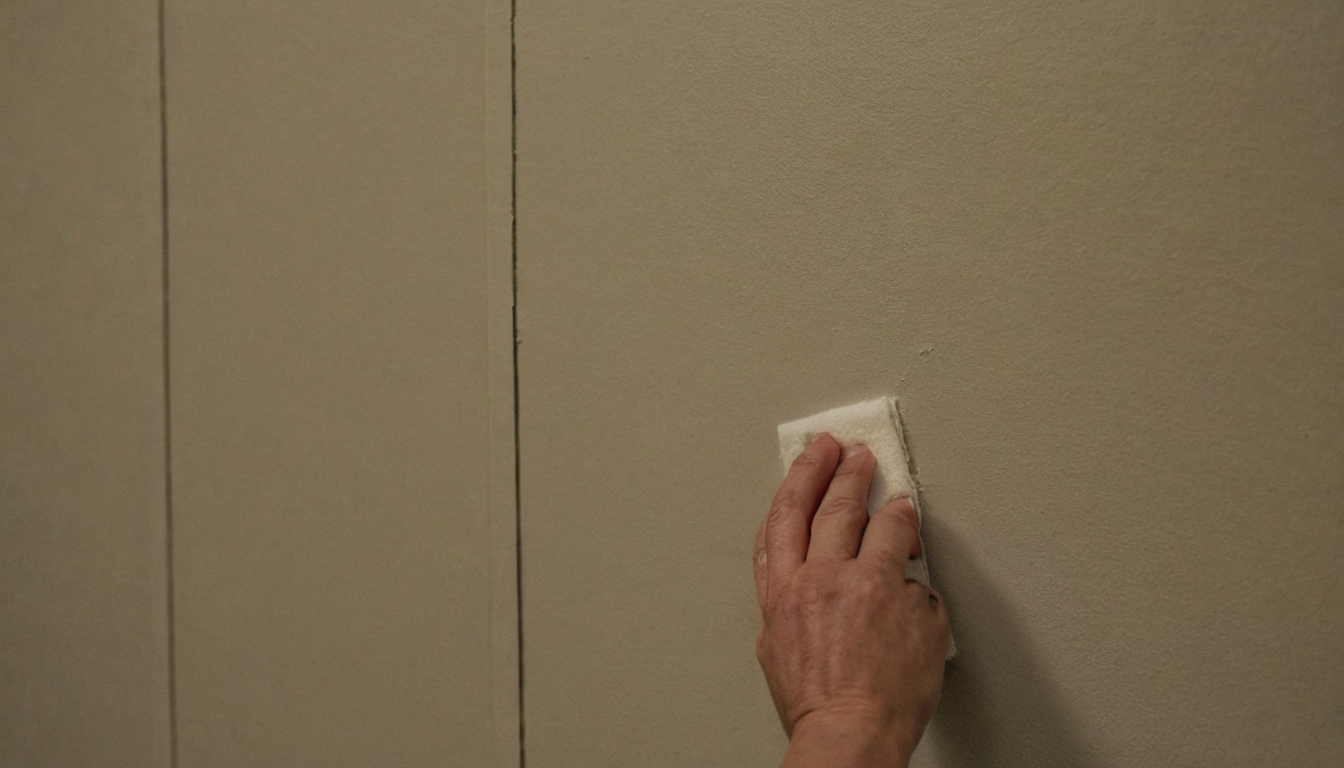
Painted wood and MDF need gentler treatment. Use a barely damp microfiber cloth with mild soap, then dry grooves and exposed edges promptly. Water left along an MDF edge can cause more damage than the original mark. Heavy scrubbing can also burnish matte paint, leaving a shiny patch after the dirt disappears.
Composite care depends on whether the decorative face is laminate, veneer, paint, or printed film. The manufacturer’s care sheet should identify compatible cleaners and prohibited chemicals. Test a cleaner in a hidden corner before treating the full wall, especially when the finish is dark, textured, or no longer available.
Cleaning should not force liquid into seams or disguise dampness. The same moisture-control guidance notes that some major threats to indoor air quality stem from moisture problems. If a stain, gouge, crack, or swollen edge cannot be cleaned, repair access becomes the deciding issue.
How easy is it to repair or replace a single damaged panel?
Repair feasibility depends on whether one panel can be removed without damaging its neighbors and whether the same profile, color, and finish remains available. A small dent may accept a local touch-up, but interlocking edges, broad adhesive coverage, or a discontinued pattern can turn one damaged spot into a larger wall project.
Solid wood usually offers the most forgiving surface repair. Shallow scratches and dents can often be sanded, filled, stained, or painted when the finish allows local blending. Replacement becomes harder with tongue-and-groove boards because the damaged board may need to be cut out and the concealed edge of the replacement trimmed. Natural color variation can also make a fresh board noticeable.
MDF accepts filler and paint well when damage remains dry and shallow. A crushed corner or swollen edge is less cooperative. Once moisture expands the fiber core, sanding rarely restores the original crisp profile. Removing a fully glued MDF sheet can tear drywall paper, creating substrate work before the replacement panel goes up.
PVC resists many everyday scuffs, but deep gouges and cracked locking edges generally call for replacement rather than filling. Composite panels vary because the decorative face and supporting core may react differently to cutting, adhesive removal, and touch-up products. A putty knife forced behind rigid trim can split the trim or damage two sound panels beside the failed one.
Installation choices determine much of the later repair burden. Mechanically fastened panels and removable trim usually provide better access than broad adhesive coverage. Before installation, photograph plumbing and wiring locations, record the product name and finish code, and store spare panels or full-length offcuts flat and dry. Material from the original order is more likely to match after fading, product revisions, or discontinuation.
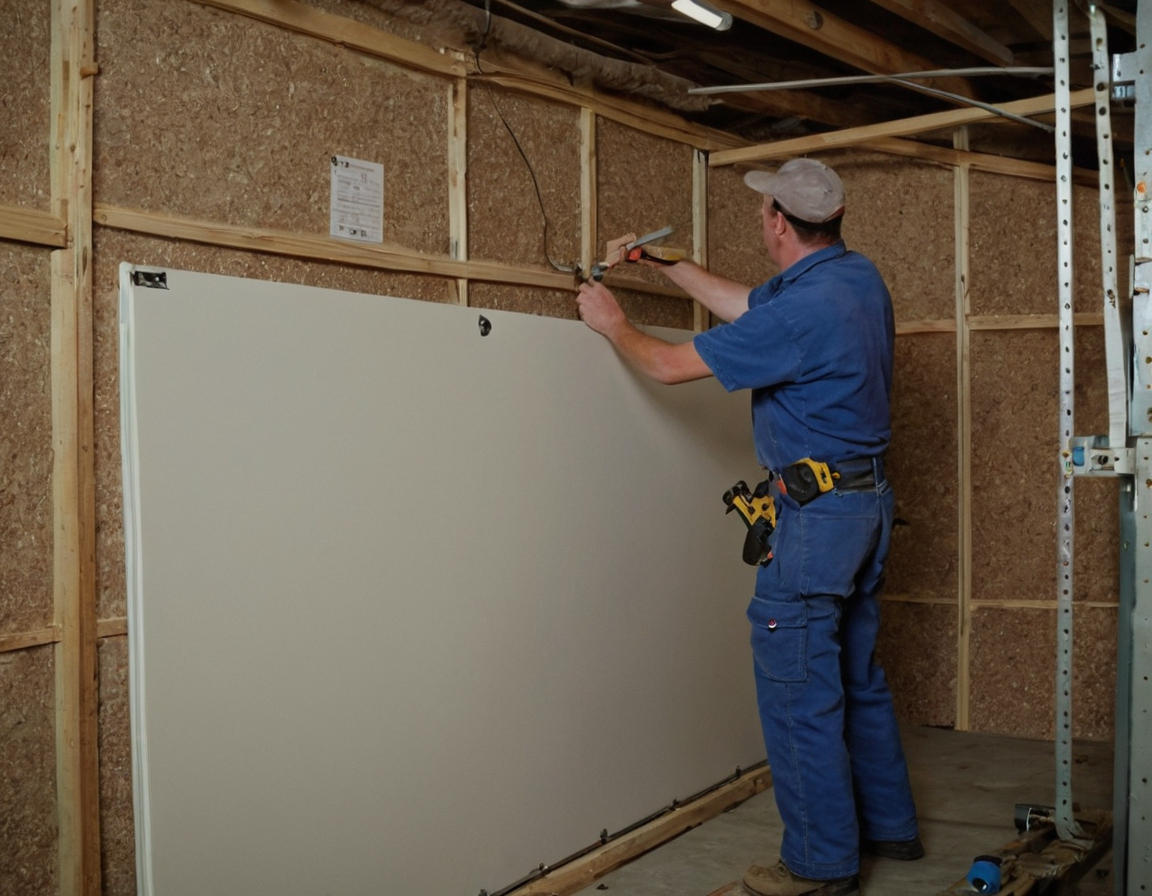
How easy is it to repair or replace a single damaged panel shown with practical context cues.
The useful question is not only whether a panel can survive an impact. Ask whether the household can reach, remove, and match it after damage. That repair plan belongs in the project budget from the start.
What installed cost ranges apply to each material in a typical residential project?
Total installed cost includes panels, fasteners or adhesive, trim, surface preparation, finishing, disposal, and labor. Room size, wall condition, layout, local labor rates, outlet cuts, corners, and moisture-resistant backing can matter more than the panel’s shelf price.
MDF is often the lower-cost choice for dry hallways and family spaces, while solid wood generally carries higher material and finishing costs. PVC and moisture-resistant composites often fall between those points, although detailed profiles, uneven walls, custom trim, and numerous penetrations can make labor the largest expense.
Request comparable quotes that separate materials, preparation, installation, trim, finishing, and disposal. Include spare matching panels if suitable storage is available. The sound budget choice is the system that fits the room’s moisture exposure, cleaning routine, and likely repair needs without forcing premature replacement.
Frequently asked questions
The best panel choice depends on exposure rather than appearance alone. These short answers address the most common objections before a wall is covered.
What is the best wall covering for a wet room?
A wet room needs a complete waterproof wall assembly approved for direct water exposure, not merely a decorative panel labeled water-resistant. The panel, backing, seams, corners, and penetrations must work together, and installation should follow the product requirements.
Which type of wall panel is best?
PVC or an appropriate moisture-resistant composite is often practical for splash-prone rooms. Painted wood offers stronger touch-up potential in dry family spaces, while MDF can provide economical walls decor where repeated wetting is unlikely. The best choice balances moisture, cleaning, impact, and repair access.
What are the disadvantages of wet wall panels?
Wet-area panels can conceal leaks, trap water behind failed seams, limit access to plumbing, and become difficult to match after damage. Glossy or printed finishes may also resist invisible patching. Inspection access, compatible sealants, removable trim, and spare material reduce those disadvantages.